Navigating the Digital Labyrinth: A Deep Dive into the Pros and Cons of Virtual Private Networks
In an increasingly interconnected world, where our digital lives intertwine seamlessly with our real ones, the quest for online privacy, security, and unrestricted access has never been more pertinent. The Virtual Private Network, or VPN, has emerged as a ubiquitous tool in this digital landscape, championed by cybersecurity experts and casual internet users alike. But like any powerful technology, its utility comes with a nuanced set of advantages and disadvantages. This comprehensive article aims to dissect the multifaceted nature of VPN usage, offering an advanced-level professional perspective that is both engaging and incredibly easy to digest, helping you make an informed decision in your digital journey.
Understanding the Core: What Exactly is a Virtual Private Network?
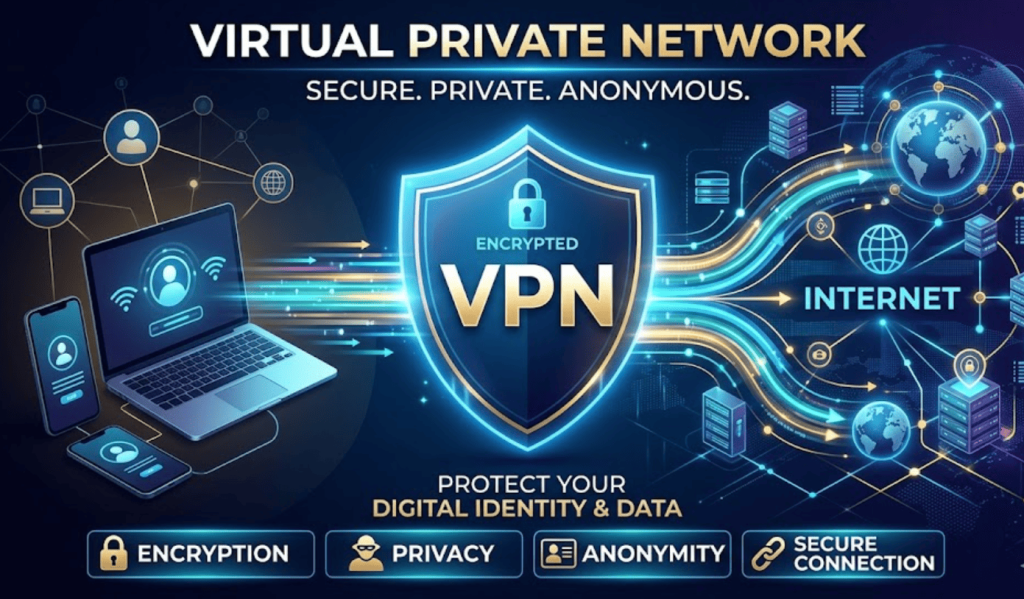
Before we delve into the intricate pros and cons, let’s establish a foundational understanding of what a VPN truly is and how it operates. At its heart, a VPN creates a secure, encrypted “tunnel” over a public internet connection. When you connect to a VPN server, your internet traffic is routed through this encrypted tunnel to the server, and then from the server to the internet. This process achieves several critical objectives:
- IP Address Masking: Your real IP address is hidden, replaced by the IP address of the VPN server. This makes it incredibly difficult for websites, advertisers, or even your Internet Service Provider (ISP) to track your online activities back to your physical location or identity.
- Data Encryption: All data passing through the VPN tunnel is encrypted, typically using robust standards like AES-256. This scrambles your data, rendering it unreadable to anyone who might intercept it, such as hackers on public Wi-Fi networks or malicious entities.
- Virtual Location Shifting: By connecting to servers in different geographical locations, you can effectively make it appear as if you are browsing from another country. This is crucial for bypassing geo-restrictions and accessing region-locked content.
In essence, a VPN acts as your personal digital bodyguard, enhancing your online privacy and bolstering your internet security against various cyber threats. It’s a fundamental layer of protection in an era where data is gold and privacy is a luxury.
The Unquestionable Advantages: Why Embrace a VPN?
The allure of a VPN is undeniable, stemming from its capacity to address some of the most pressing concerns in the digital realm. Here are the primary benefits that make VPNs an invaluable tool for millions worldwide:
Enhanced Online Privacy and Anonymity
Perhaps the most celebrated advantage of a VPN is its profound impact on your online privacy. In an age of pervasive surveillance and data harvesting, a VPN offers a significant shield:
- Masking Your Digital Footprint: By hiding your actual IP address and encrypting your traffic, a VPN makes it exceedingly difficult for third parties – including your ISP, government agencies, advertisers, and even websites you visit – to monitor your browsing habits, search queries, and online purchases. This contributes significantly to your overall online anonymity.
- Preventing ISP Tracking: Your ISP can typically see every website you visit, every service you use, and even the duration of your online sessions. With a VPN, your ISP can only see that you’re connected to a VPN server; the actual content of your traffic remains encrypted and private. This helps in maintaining your digital privacy.
- Evading Targeted Advertising: Without a clear profile of your browsing history, advertisers find it harder to bombard you with highly specific, sometimes intrusive, ads, leading to a less cluttered and more pleasant online experience.
Robust Security on Public Wi-Fi Networks
Public Wi-Fi hotspots, while convenient, are notorious breeding grounds for cybersecurity threats. From cafes to airports, these networks are often unsecured, making users vulnerable to various attacks. A VPN acts as a critical line of defense:
- Encryption Against Snoopers: When you connect to a public Wi-Fi network, your data is often transmitted unencrypted, making it easy for hackers to intercept sensitive information like passwords, credit card details, and personal messages. A VPN encrypts your entire connection, rendering your data unreadable to anyone attempting to snoop.
- Mitigating Man-in-the-Middle Attacks: These attacks involve an attacker positioning themselves between your device and the Wi-Fi hotspot to intercept and potentially alter your communications. A VPN’s encryption safeguards your data even if such an attack occurs, ensuring data integrity.
- Protecting Sensitive Information: Whether you’re checking emails, banking online, or accessing work files, a VPN ensures that your sensitive information remains confidential and secure, even in the most insecure network environments.
Bypassing Geo-Restrictions and Content Censorship
The internet, while global, often feels segmented by geographical boundaries. Many online services and content libraries are restricted based on your physical location. A VPN offers a powerful solution:
- Accessing International Streaming Libraries: Popular streaming services like Netflix, Hulu, and BBC iPlayer offer different content libraries in various countries. By connecting to a VPN server in a specific country, you can virtually relocate yourself and unlock access to that region’s content. This is a game-changer for entertainment enthusiasts.
- Overcoming Governmental Censorship: In countries with strict internet censorship, governments often block access to social media platforms, news websites, and other online services. VPNs provide a crucial tool for citizens to bypass these restrictions, ensuring access to free information and communication, upholding digital rights.
- Unlocking Region-Locked Websites and Services: Beyond streaming, many online games, e-commerce sites, and digital services are region-locked. A VPN allows users to access these services as if they were physically present in the allowed region.
Preventing Bandwidth Throttling by ISPs
Some ISPs engage in bandwidth throttling, intentionally slowing down specific types of internet traffic, such as video streaming or large downloads, to manage network congestion or incentivize users to upgrade their plans. A VPN can circumvent this practice:
- Obscuring Traffic Type: When your internet traffic is encrypted by a VPN, your ISP cannot easily discern the nature of your online activities. This makes it difficult for them to selectively throttle your connection based on what you’re doing online.
- Maintaining Consistent Speeds: By preventing your ISP from identifying and throttling specific traffic, a VPN can help ensure a more consistent and potentially faster internet experience for certain activities, especially during peak usage times.
Secure Remote Access for Businesses
For organizations with remote employees or multiple offices, VPNs are indispensable for maintaining security and connectivity:
- Corporate Network Access: Business VPNs allow employees to securely connect to their company’s internal network from any location, accessing shared files, applications, and resources as if they were in the office. This is vital for remote work security.
- Data Confidentiality: All data exchanged between the remote employee and the corporate network is encrypted, protecting sensitive business information from interception and ensuring compliance with data protection regulations.
Potential for Cost Savings
While often overlooked, VPNs can sometimes lead to tangible financial benefits:
- Cheaper Flights and Hotel Bookings: Prices for flights, hotels, and rental cars can vary significantly based on the country from which you’re browsing. By connecting to VPN servers in different regions, users can often find and book cheaper deals.
- Accessing Region-Specific Deals: Some online stores offer promotions or lower prices to customers in specific geographical locations. A VPN allows you to exploit these discrepancies.
Navigating the Downsides: The Challenges of VPN Usage
While the benefits of VPNs are compelling, it’s equally important to acknowledge their limitations and potential drawbacks. A balanced perspective requires a thorough examination of these challenges.
Potential for Slower Internet Speeds
One of the most frequently cited drawbacks of using a VPN is the potential reduction in internet speed. This slowdown is a consequence of several factors:
- Encryption Overhead: The process of encrypting and decrypting your data requires computational resources and adds a small delay to your connection.
- Distance to VPN Server: The further your data has to travel to a VPN server and then to its final destination, the longer the latency and the slower your speeds will likely be. Connecting to a server across continents will naturally be slower than connecting to one in your own country.
- Server Load: If a VPN server is overloaded with too many users, its performance can degrade, leading to slower speeds for everyone connected to it.
- Impact on High-Bandwidth Activities: For activities like online gaming, 4K video streaming, or large file downloads, even a slight reduction in speed and increase in latency can be noticeable and frustrating.
Cost of Premium VPN Services
While free VPNs exist, they often come with significant compromises (which we’ll discuss further in the Q&A). Reliable, high-quality VPN services typically require a subscription, representing a recurring expense:
- Subscription Fees: Premium VPNs offer better speeds, more servers, stronger encryption, and reliable customer support, but they come with a monthly or annual cost. While often affordable, it’s an additional digital subscription to manage.
- Evaluating Value for Money: Users must weigh the cost against the features, performance, and level of privacy/security offered. The cheapest option isn’t always the best value.
Trusting Your VPN Provider
The very essence of a VPN is to route your traffic through a third party. This introduces a critical element of trust:
- “No-Logs Policy” Claims: Many VPN providers claim to have a strict “no-logs policy,” meaning they don’t record your online activities. However, verifying these claims can be challenging. A dishonest provider could potentially log your data and even sell it, undermining the very purpose of using a VPN.
- Jurisdiction of the VPN Company: The legal framework of the country where a VPN provider is based can influence its ability to truly uphold privacy. Some countries have mandatory data retention laws or compel companies to hand over user data.
- Potential for Data Breaches: Even a reputable VPN provider is not immune to data breaches. If their servers or internal systems are compromised, your data could be exposed. The importance of independent security audits cannot be overstated here.
Compatibility and Configuration Issues
While most modern VPNs offer user-friendly applications, some scenarios can present technical hurdles:
- Device Compatibility: While major operating systems (Windows, macOS, Android, iOS) are well-supported, older devices, smart TVs, gaming consoles, or specific routers might not have native VPN client support, requiring more complex manual setup or a VPN-enabled router.
- Manual Setup Complexity: Setting up a VPN manually on a router or a less common device can be technically demanding for average users, involving understanding VPN protocols (like OpenVPN, WireGuard, IKEv2) and network configurations.
- Software Conflicts: Occasionally, VPN software can conflict with other network-related applications, firewalls, or antivirus programs, leading to connectivity issues or performance problems.
Legal and Ethical Ambiguities
The legality and ethical implications of VPN usage are not always straightforward:
- Legality Varies by Country: While VPNs are legal in most parts of the world, some countries (e.g., China, Russia, North Korea) have severely restricted or outright banned their use, or only permit government-approved VPNs. Using an unauthorized VPN in such regions could carry legal risks.
- Using VPNs for Illegal Activities: While VPNs offer anonymity, they do not grant immunity from the law. Using a VPN for illegal activities such as copyright infringement, cybercrime, or accessing prohibited content remains illegal and punishable.
- Violating Terms of Service: Many streaming services explicitly state in their terms of service that using a VPN to bypass geo-restrictions is prohibited. While typically leading to a blocked IP address rather than legal action, it can still result in frustration.
VPN Detection and Blocking
As VPN usage has grown, so have efforts to detect and block VPN traffic, especially by streaming platforms and certain websites:
- Streaming Services’ VPN Blockers: Services like Netflix and Hulu invest heavily in technology to identify and block IP addresses known to belong to VPN servers. This means that even with a premium VPN, you might encounter situations where you cannot access geo-restricted content.
- Website Restrictions: Some online banking sites or government portals might block VPN connections as a security measure, fearing fraudulent activity. This can necessitate temporarily disabling your VPN to access these services.
Battery Drain on Mobile Devices
For mobile users, running a VPN continuously can have a noticeable impact on battery life:
- Constant Encryption and Routing: The continuous process of encrypting and decrypting data, along with routing traffic through a remote server, consumes more processing power and network resources, leading to increased battery consumption on smartphones and tablets.
Making an Informed Choice: Is a VPN Right for You?
Having meticulously explored both the compelling advantages and the discernible disadvantages, the question remains: should you use a VPN? The answer, like most things in technology, is nuanced and depends entirely on your individual needs, threat model, and priorities.
If your primary concerns are:
- Online privacy and anonymity from ISPs, advertisers, and snoopers.
- Security on public Wi-Fi networks.
- Accessing geo-restricted content or bypassing censorship.
- Preventing bandwidth throttling.
Then a VPN is an incredibly valuable tool that can significantly enhance your digital experience and protection.
However, if you are highly sensitive to:
- Any potential reduction in internet speed.
- The recurring cost of a premium service.
- The need for absolute, untraceable anonymity (which no VPN can fully guarantee).
You must carefully weigh these factors against the benefits.
Tips for Choosing a Good VPN Service:
If you decide a VPN is for you, here’s how to choose wisely:
- Reputation and Trust: Opt for providers with a proven track record, positive reviews, and transparent policies. Look for companies that have undergone independent security audits of their “no-logs policy.”
- Strong Encryption and Protocols: Ensure they use industry-standard encryption (e.g., AES-256) and offer modern, secure protocols (e.g., OpenVPN, WireGuard).
- Server Network: A large and diverse server network means better speeds and more options for bypassing geo-restrictions.
- Key Features: Look for essential features like a kill switch (which disconnects your internet if the VPN drops), DNS leak protection, and split tunneling.
- Customer Support: Reliable 24/7 customer support is invaluable for troubleshooting.
- Jurisdiction: Consider the country where the VPN provider is based, ideally one with strong privacy laws and no mandatory data retention.
Conclusion
The digital landscape is a double-edged sword, offering unprecedented connectivity alongside burgeoning risks to privacy and security. Virtual Private Networks stand as a powerful testament to our collective desire for a safer, more open internet. They are not a panacea for all digital ills, nor are they without their trade-offs. However, for the vast majority of internet users, the benefits of enhanced privacy, robust security, and unrestricted access far outweigh the potential inconveniences of speed reduction or subscription costs. By understanding the intricate balance of the pros and cons of using a virtual private network, you empower yourself to navigate the digital labyrinth with confidence, security, and a heightened sense of control over your online destiny.
Frequently Asked Questions (Q&A) about VPNs
Q1: Is using a VPN legal?
A: In most countries, using a VPN is perfectly legal. However, there are exceptions. Countries like China, Russia, Iran, and North Korea have strict regulations or outright bans on VPN usage, or only permit government-approved VPNs. Always check the local laws of the country you are in or plan to visit. It’s also important to remember that while using a VPN might be legal, engaging in illegal activities while using a VPN is still illegal and punishable by law.
Q2: Can a VPN make me completely anonymous?
A: No, a VPN significantly enhances your online anonymity and privacy by masking your IP address and encrypting your traffic, but it doesn’t make you 100% anonymous. Advanced tracking methods like browser fingerprinting, cookies, and your online habits can still reveal aspects of your identity. For true anonymity, a combination of tools like Tor (The Onion Router) and strict privacy practices would be required, though even then, absolute anonymity is extremely difficult to achieve.
Q3: Are free VPNs safe to use?
A: Generally, no. While tempting, most free VPNs come with significant risks. They often lack strong encryption, have limited servers, impose data caps, and can be very slow. More alarmingly, many free VPNs have been found to log user data, inject ads, sell user bandwidth, or even contain malware, fundamentally undermining the very purpose of a VPN. It’s almost always recommended to invest in a reputable paid VPN service for genuine privacy and security.
Q4: How do I choose the best VPN service?
A: When choosing a VPN, prioritize providers with a strong reputation, a strict and audited “no-logs policy,” and a base in a privacy-friendly jurisdiction. Look for robust encryption (like AES-256), modern protocols (OpenVPN, WireGuard), a wide server network, and essential features like a kill switch and DNS leak protection. Good customer support and cross-platform compatibility are also important considerations. Reading independent reviews and comparing features is highly recommended.
Q5: Does a VPN protect me from viruses and malware?
A: A VPN primarily protects your online privacy and encrypts your internet traffic, making it secure from interception. It does not protect you directly from viruses, malware, phishing attacks, or other forms of malicious software. For comprehensive protection, you still need robust antivirus software, a firewall, and vigilant online habits.
Q6: Will a VPN drain my device’s battery significantly?
A: Yes, running a VPN continuously on mobile devices can lead to increased battery consumption. The constant encryption, decryption, and routing of data through a remote server require additional processing power and network activity, which in turn draws more power from your device’s battery. The extent of battery drain can vary depending on the device, the VPN app’s efficiency, and the chosen VPN protocol.
Q7: Can I use a VPN on multiple devices?
A: Most premium VPN services allow you to connect multiple devices simultaneously under a single subscription. The exact number of simultaneous connections varies by provider, typically ranging from 5 to 10 devices. This means you can protect your laptop, smartphone, tablet, and other internet-connected devices with one VPN account.
Q8: What is a “no-logs” policy and why is it important?
A: A “no-logs” policy means that the VPN provider does not record any identifiable information about your online activities, such as your browsing history, connection timestamps, IP addresses, or bandwidth usage. This is crucial because if a VPN provider were to keep logs, they could theoretically be compelled by authorities to hand over that data, compromising your privacy. An independently audited no-logs policy offers the strongest assurance of privacy.
Q9: Can my ISP detect if I’m using a VPN?
A: Yes, your Internet Service Provider (ISP) can detect that you are using a VPN. They can see that you’re connecting to an encrypted server at a specific IP address, which they can identify as belonging to a VPN service. However, they cannot see what you are doing within that encrypted tunnel – your actual browsing history, visited websites, or downloaded content remain private. They only know you’re using a VPN, not how you’re using it.
Q10: What is a VPN kill switch?
A: A VPN kill switch is a critical security feature that automatically disconnects your device from the internet if your VPN connection unexpectedly drops. This prevents your real IP address and unencrypted data from being exposed, even for a brief moment, ensuring your online privacy and security are maintained at all times. It’s an essential feature for anyone concerned about accidental data leaks.