The Imperative Shift: Why Zero Trust VPN Solutions Will Dominate by 2026
The digital battleground is expanding, and the traditional perimeter-based defenses that once safeguarded enterprise networks are proving increasingly inadequate against a relentless barrage of sophisticated cyber threats. As organizations accelerate their digital transformation journeys, embrace hybrid work models, and migrate critical assets to the cloud, the concept of a secure internal network has largely dissolved. This paradigm shift has rendered conventional Virtual Private Networks (VPNs)—designed for a bygone era of clearly defined network boundaries—a significant liability, often acting as a wide-open gateway once compromised.
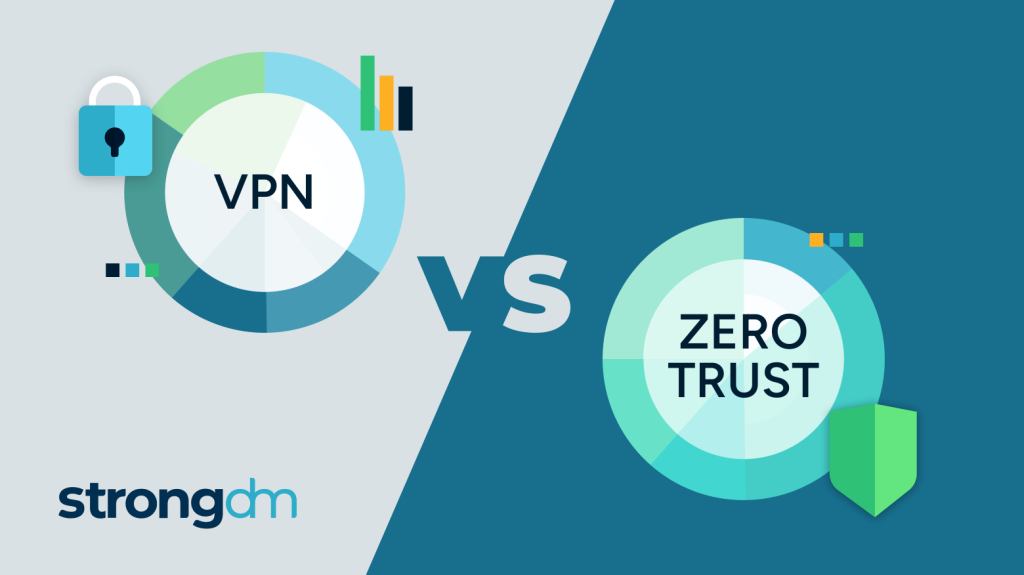
Enter Zero Trust Network Access (ZTNA), often colloquially referred to as “Zero Trust VPN solutions.” This revolutionary security framework, built on the foundational principle of “never trust, always verify,” is rapidly emerging as the cornerstone of modern cybersecurity strategies. By 2026, it is not merely predicted but widely accepted that Zero Trust principles, particularly as embodied by ZTNA, will become the de facto standard for secure remote and internal access, fundamentally reshaping how businesses protect their most valuable assets and empower their distributed workforces. This comprehensive analysis delves into the critical need for this transition, the mechanics of Zero Trust, its profound implications for the future of secure connectivity, and a strategic roadmap for adoption.
The Evolving Threat Landscape and Traditional VPN’s Limitations
The past decade has witnessed an unprecedented escalation in the volume and sophistication of cyberattacks. Nation-state actors, organized cybercrime syndicates, and opportunistic hackers continually exploit vulnerabilities, with tactics ranging from highly targeted phishing campaigns and ransomware attacks to supply chain compromises and advanced persistent threats (APTs). The sheer scale of data breaches underscores the inadequacy of legacy security models.
Traditional VPNs, while offering encrypted tunnels, operate on an implicit trust model. Once a user authenticates to the VPN, they are often granted broad, network-level access to internal resources, effectively extending the corporate perimeter to their device. This “trust once, trust always” approach creates several critical vulnerabilities:
- Lateral Movement: If an attacker compromises a single device connected via VPN, they can often move laterally across the entire network, exploiting other systems and escalating privileges unimpeded. This flat network access is a major security flaw.
- Over-Privileged Access: Users frequently receive more access than they genuinely require, increasing the attack surface.
- Single Point of Failure: VPN concentrators can become bottlenecks or single points of failure, susceptible to denial-of-service attacks or targeted exploits.
- Credential Theft: Compromised VPN credentials can grant attackers direct access to the corporate network, bypassing many internal defenses.
- Complex Management: Scaling traditional VPNs for a large, globally distributed workforce, especially in hybrid cloud environments, becomes an arduous and complex management task.
The sudden global pivot to widespread remote work further exacerbated these issues, pushing traditional VPN infrastructures to their breaking point and exposing their inherent security weaknesses. Organizations realized that securing a decentralized workforce required a fundamentally different approach—one that didn’t rely on a permeable perimeter.
Understanding the Core Tenets of Zero Trust
At its heart, Zero Trust is a strategic initiative, not a single technology, designed to prevent successful data breaches by eliminating the concept of implicit trust from an organization’s information system architecture. It mandates that no user, device, or application should be trusted by default, regardless of whether it originates inside or outside the network perimeter. Every access request must be verified.
The “Never Trust, Always Verify” Mantra
The foundational principle of Zero Trust is “never trust, always verify.” This translates into a rigorous, multi-faceted approach to access control:
- Identity-Centric Security: Access decisions are primarily based on the identity of the user and the device, rather than their network location. Strong identity and access management (IAM) solutions, often integrated with multi-factor authentication (MFA), are paramount.
- Device Posture Assessment: Before granting access, the security posture of the requesting device is continuously evaluated. This includes checking for up-to-date operating systems, antivirus software, patch levels, and compliance with security policies. A non-compliant device is denied access or quarantined.
- Contextual Awareness: Access decisions are dynamic and context-aware, taking into account various factors such as user role, device type, location, time of day, application being accessed, and even behavioral analytics. A user attempting to access sensitive data from an unusual location at an odd hour might trigger additional verification steps or be denied.
- Micro-segmentation and Least Privilege: The network is segmented into isolated zones, often down to individual applications or workloads. Users are granted the absolute minimum level of access required to perform their specific tasks – the principle of least privilege. This significantly limits lateral movement for attackers, even if they manage to breach one segment.
Beyond the Perimeter: A Paradigm Shift in Network Security
Zero Trust represents a profound paradigm shift, moving away from the traditional “castle-and-moat” security model, where everything inside the network is trusted and everything outside is not. In a Zero Trust architecture, there is no inherent “inside” or “outside.” Every access request is treated as if it originates from an untrusted network.
This involves:
- Moving from Network-Centric to Data-Centric Security: The focus shifts from securing the network infrastructure to protecting the data and resources themselves, regardless of where they reside (on-premises, cloud, SaaS).
- Eliminating Implicit Trust: Trust is never assumed; it is explicitly granted only after rigorous verification and continuously re-evaluated.
- Continuous Monitoring and Re-authentication: Once access is granted, it is not permanent. User and device behavior are continuously monitored, and access can be revoked or re-authenticated if suspicious activity is detected or the context changes. This adaptive authentication ensures ongoing security.
Zero Trust Network Access (ZTNA): The Evolution of Secure Connectivity
Zero Trust Network Access (ZTNA) is the technological embodiment of Zero Trust principles, specifically designed to provide secure, granular access to applications and services. It is often seen as the modern, more secure alternative to traditional VPNs, and thus the core of what many refer to as “Zero Trust VPN solutions.”
What is ZTNA and How Does It Differ from Traditional VPN?
While both ZTNA and traditional VPNs provide remote access, their underlying philosophies and operational mechanisms are vastly different:
- Granular Access Control vs. Broad Network Access: Traditional VPNs typically grant network-level access, allowing users to reach any resource within the network. ZTNA, conversely, provides application-level access. Users connect only to the specific applications or services they are authorized to use, without gaining access to the underlying network infrastructure.
- Application-Level Access vs. Network-Level Access: With ZTNA, the connection is established directly between the authenticated user/device and the specific application, rather than the entire corporate network. This significantly reduces the attack surface.
- Invisibility of Resources: ZTNA gateways keep applications “dark” or invisible to unauthorized users. They are not exposed to the public internet, making them undiscoverable to attackers who haven’t been explicitly granted access. This “dark network” concept is a powerful defense mechanism.
- Reduced Attack Surface: By limiting access to only necessary applications and hiding network resources, ZTNA drastically shrinks the potential entry points for cybercriminals.
- User Experience: Modern ZTNA solutions are designed for a seamless user experience, often providing faster, more reliable connections than traditional VPNs, especially in cloud environments.
Key Architectural Components of ZTNA
A typical ZTNA architecture comprises several key components working in concert:
- Identity Provider (IdP) Integration: ZTNA relies heavily on strong identity management. Integration with an IdP (e.g., Okta, Azure AD, Ping Identity) is crucial for user authentication and authorization, often leveraging MFA.
- Policy Engine: This is the brain of the ZTNA solution. It defines and enforces access policies based on user identity, device posture, context (location, time), and the requested application.
- Access Broker/Gateway: This component acts as the enforcement point. It sits between the user/device and the application, verifying every connection request against the policies set by the policy engine. It establishes a secure, encrypted tunnel only to the authorized application.
- Endpoint Agents: Often, a lightweight agent installed on the user’s device collects information about its security posture and helps establish the secure connection to the access broker. Agentless solutions also exist for specific use cases, typically web applications.
- Security Information and Event Management (SIEM) Integration: ZTNA solutions generate extensive logs of access requests and activities. Integrating these logs with a SIEM system provides centralized visibility, enabling continuous monitoring, threat detection, and rapid incident response.
The Business Case for Zero Trust VPN Solutions in 2026
The transition to Zero Trust VPN solutions by 2026 is not merely a technical upgrade; it’s a strategic business imperative driven by enhanced security, operational efficiency, and tangible economic benefits.
Enhanced Security Posture and Risk Mitigation
- Protection Against Lateral Movement: By segmenting access to individual applications, ZTNA effectively stops attackers from moving freely across the network even if they compromise a single endpoint. This micro-segmentation is a critical defense against ransomware and APTs.
- Reduction in Data Breach Potential: Limiting access to only what is absolutely necessary significantly reduces the blast radius of any potential breach, protecting sensitive data and intellectual property.
- Improved Compliance and Regulatory Adherence: Many regulatory frameworks (e.g., GDPR, HIPAA, PCI DSS) emphasize least privilege access and robust data protection. ZTNA inherently supports these requirements, simplifying compliance audits and reducing the risk of penalties.
- Stronger Defenses Against Phishing and Credential Theft: By requiring continuous verification and context-aware authentication, ZTNA makes it significantly harder for attackers to leverage stolen credentials to gain unauthorized access. MFA integration is non-negotiable here.
Operational Efficiency and User Experience
- Simplified Access Management: Centralized policy management streamlines the process of granting and revoking access, especially in dynamic environments with frequent employee onboarding/offboarding or role changes.
- Seamless User Experience for Remote and Hybrid Workforces: ZTNA provides fast, direct, and secure access to applications, regardless of the user’s location or network. This eliminates the latency and connectivity issues often associated with traditional VPNs, boosting productivity and user satisfaction.
- Reduced IT Overhead for Network Segmentation: While traditional network segmentation can be complex and expensive, ZTNA offers a more agile, software-defined approach to achieving granular access control without extensive network re-architecture.
- Scalability for Cloud and Hybrid Environments: ZTNA is inherently designed for cloud-native architectures, seamlessly extending secure access to applications hosted in public clouds, private clouds, and on-premises data centers, facilitating digital transformation initiatives.
The Economic Impact: ROI and Cost Savings
Investing in Zero Trust VPN solutions yields significant returns, both directly and indirectly:
- Reduced Incident Response Costs: By preventing breaches or limiting their scope, organizations save substantial costs associated with forensic investigations, data recovery, legal fees, and regulatory fines.
- Avoidance of Reputational Damage: Data breaches severely damage customer trust and brand reputation. ZTNA helps safeguard this invaluable asset.
- Streamlined Security Operations: Automation and centralized policy management reduce the manual effort required for security administration, freeing up valuable IT resources.
- Potential for Consolidated Security Stacks: As ZTNA integrates into broader Secure Access Service Edge (SASE) frameworks, it can lead to the consolidation of multiple security point solutions, reducing licensing and management costs.
Predictions for Zero Trust VPN Solutions by 2026
The trajectory of Zero Trust adoption is clear, and by 2026, several key trends will define the landscape of Zero Trust VPN solutions.
Accelerated Adoption and Market Maturation
- ZTNA Becoming the De Facto Standard for Secure Remote Access: The limitations of traditional VPNs, coupled with the persistent threat landscape and the permanence of hybrid work, will solidify ZTNA’s position as the primary method for secure remote access. Organizations will increasingly abandon or significantly reduce their reliance on legacy VPNs.
- Integration with Broader SASE Frameworks: ZTNA will not operate in isolation. Its integration into comprehensive Secure Access Service Edge (SASE) architectures will be paramount. SASE converges networking capabilities (SD-WAN) with security functions (ZTNA, CASB, SWG, FWaaS) into a single, cloud-delivered service model. This convergence will be critical for optimized performance and unified security policy enforcement.
- Increased Focus on Cloud-Native ZTNA: Solutions built from the ground up for cloud environments will gain dominance, offering superior scalability, resilience, and integration with cloud-based identity and security services.
Advanced Capabilities and AI Integration
- AI-Powered Threat Detection and Anomaly Behavior Analysis: Machine learning and artificial intelligence will become integral to ZTNA solutions, enabling real-time detection of anomalous user and device behavior. This will move security from reactive to proactive, identifying potential threats before they materialize.
- Predictive Security Analytics: AI will not only detect but also predict potential vulnerabilities and attack vectors, allowing organizations to pre-emptively adjust policies and strengthen defenses.
- Self-Healing Networks and Automated Policy Adjustments: Future ZTNA solutions will incorporate greater automation, capable of automatically adjusting access policies, isolating compromised devices, or initiating remediation actions based on real-time threat intelligence and contextual changes.
- Deeper Integration with XDR Platforms: Extended Detection and Response (XDR) platforms will ingest ZTNA data, providing a holistic view of security events across endpoints, networks, cloud, and identity, enabling faster and more effective threat detection and response.
The Rise of Identity-First Security
- Biometric Authentication and Passwordless Access: The reliance on passwords will continue to diminish, with biometric authentication (fingerprint, facial recognition) and other passwordless technologies becoming standard for accessing ZTNA-protected resources.
- Continuous Adaptive Authentication: Authentication will evolve from a one-time event to a continuous process. Users may be prompted for re-authentication based on changes in context, risk scores, or access to highly sensitive data.
- Zero Trust Principles Extending to IoT and OT Environments: As the Internet of Things (IoT) and Operational Technology (OT) become more integrated with IT networks, Zero Trust principles will extend to these devices, ensuring that every connected ‘thing’ is authenticated and authorized with least privilege access.
Implementing Zero Trust VPN Solutions: A Strategic Roadmap
Adopting Zero Trust VPN solutions is a journey, not a destination. A phased, strategic approach is essential for successful implementation and realizing the full benefits.
Phased Adoption and Pilot Programs
- Identify Critical Assets and High-Risk Users: Begin by identifying the most sensitive applications, data, and user groups that require the highest level of protection. Prioritize these for initial ZTNA deployment.
- Start with a Specific Application or User Group: Instead of a “big bang” approach, implement ZTNA for a single, non-critical application or a small group of users. This allows for testing, refinement, and building internal expertise.
- Measure, Iterate, and Expand: Continuously monitor performance, security effectiveness, and user feedback. Iterate on policies and configurations, then gradually expand ZTNA coverage to more applications and user segments.
Key Considerations for Selection and Deployment
Choosing the right Zero Trust VPN solution requires careful evaluation:
- Scalability and Performance: Ensure the solution can scale to accommodate your current and future user base, applications, and network traffic without compromising performance or user experience.
- Integration Capabilities with Existing Infrastructure: The solution should integrate seamlessly with your existing Identity Provider (IdP), SIEM, endpoint security, and cloud environments.
- Vendor Reputation and Support: Select a vendor with a proven track record, robust security features, and excellent customer support. Consider their vision for future ZTNA and SASE development.
- Compliance and Data Residency Requirements: Verify that the solution meets your specific industry compliance standards and data residency requirements, especially for international operations.
- User Experience Impact: A clunky or slow solution will lead to user frustration and potential workarounds, undermining security. Prioritize ease of use and transparent access.
Overcoming Implementation Challenges
The transition to Zero Trust is not without its hurdles:
- Legacy System Integration: Integrating ZTNA with older, on-premises applications and infrastructure can be complex. Organizations may need to employ hybrid approaches or modernize legacy systems over time.
- Cultural Shift and User Training: Zero Trust requires a fundamental shift in mindset for both IT teams and end-users. Comprehensive training and clear communication are crucial to ensure adoption and adherence to new security protocols.
- Policy Complexity Management: As ZTNA policies become more granular and context-aware, managing their complexity can be challenging. Organizations need robust policy management tools and a clear strategy for policy definition and review.
- Budget Allocation and Resource Planning: Implementing ZTNA requires investment in technology, training, and potentially new staff expertise. Secure adequate budget and resources from leadership early in the process.
The Future Landscape: ZTNA as a Cornerstone of SASE
By 2026, the discussion around Zero Trust VPN solutions will be intrinsically linked to the broader concept of Secure Access Service Edge (SASE). SASE is not just a trend; it’s the architectural blueprint for the future of secure networking.
Secure Access Service Edge (SASE) Defined
SASE, coined by Gartner, is a cloud-native architecture that converges wide area networking (WAN) and network security services into a single, global, cloud-delivered service. It’s designed to provide secure, optimized access to applications and data for users anywhere, on any device. Key components of SASE include:
- Software-Defined Wide Area Network (SD-WAN)
- ZTNA
- Cloud Access Security Broker (CASB)
- Secure Web Gateway (SWG)
- Firewall-as-a-Service (FWaaS)
Synergies Between ZTNA and SASE in 2026
The synergy between ZTNA and SASE is profound and will be fully realized by 2026:
- Unified Policy Enforcement: SASE enables a single, consistent security policy to be enforced across all users, devices, and locations, whether they are accessing cloud applications or on-premises resources. ZTNA is the engine for this identity-driven access control.
- Optimized Performance for Distributed Workforces: By moving security enforcement closer to the user (at the edge), SASE, with ZTNA at its core, minimizes latency and improves application performance, crucial for a globally distributed, hybrid workforce.
- Simplified Security Stack and Management: SASE consolidates multiple point solutions into a single, integrated platform, reducing complexity, improving visibility, and streamlining security operations. This convergence makes managing Zero Trust VPN functionality far more efficient.
Conclusion: Securing Tomorrow’s Enterprise Today
The shift to Zero Trust VPN solutions is no longer a matter of if, but when. By 2026, organizations that have not embraced Zero Trust principles, particularly through ZTNA, will find themselves at a severe disadvantage, struggling with escalating cyber risks, compliance burdens, and operational inefficiencies. The traditional network perimeter has dissolved, and with it, the efficacy of legacy security models.
Zero Trust offers a proactive, resilient, and adaptable framework for securing the modern enterprise. It empowers businesses to protect their most critical assets, facilitate secure remote and hybrid work, and confidently navigate the complexities of cloud adoption and digital transformation. The imperative is clear: organizations must plan and execute their transition to Zero Trust now, ensuring a secure and resilient future in an ever-evolving threat landscape.
Frequently Asked Questions About Zero Trust VPN Solutions
Q: Is ZTNA a replacement for traditional VPNs?
A: Yes, in most modern use cases, ZTNA is considered a superior and more secure replacement for traditional VPNs, especially for remote access to applications. While traditional VPNs might still have niche applications (e.g., site-to-site connectivity), ZTNA offers granular, identity-centric, and context-aware access, significantly reducing the attack surface and enhancing security.
Q: How does Zero Trust differ from a firewall?
A: A firewall primarily controls network traffic based on IP addresses and ports, operating at the network layer. It’s a perimeter defense. Zero Trust, on the other hand, is a comprehensive security framework that verifies every user, device, and access request, regardless of network location. It operates at the application and identity layers, focusing on “who” and “what” is accessing a resource, not just “where” they are. Firewalls can be components within a Zero Trust architecture, but they don’t embody the full philosophy.
Q: What are the main benefits of ZTNA for remote workers?
A: For remote workers, ZTNA provides highly secure, fast, and seamless access to only the specific applications they need, without exposing them to the entire corporate network. This enhances security by preventing lateral movement, improves performance by offering direct connections to cloud resources, and simplifies the user experience compared to often clunky traditional VPNs.
Q: Can small businesses implement Zero Trust?
A: Absolutely. While large enterprises often have more complex environments, the core principles of Zero Trust—least privilege, continuous verification, strong identity management—are applicable and beneficial for businesses of all sizes. Many cloud-native ZTNA solutions are scalable and cost-effective, making them accessible even for small and medium-sized businesses (SMBs) looking to enhance their cybersecurity posture.
Q: What role does MFA play in Zero Trust?
A: Multi-factor authentication (MFA) is a critical component and foundational pillar of any Zero Trust architecture. By requiring users to provide two or more verification factors (e.g., password + a code from an authenticator app), MFA significantly strengthens identity verification, making it much harder for attackers to gain access even if they steal credentials. Zero Trust policies often mandate MFA for all access requests.
Q: How does ZTNA handle third-party access?
A: ZTNA is exceptionally well-suited for managing third-party and contractor access. Instead of granting broad VPN access, ZTNA allows organizations to provide highly restricted, application-specific access to external users, ensuring they can only reach the exact resources required for their tasks. This minimizes risk and provides robust auditing capabilities, making it a secure and compliant solution for vendor access.